Buying your first serious bike is mostly an exercise in filtering noise. Walk into any shop and you will be handed a spec sheet full of numbers — groupset tiers, wheel depths, frame material grades — almost none of which determine whether you will still be riding in six months.
What does determine it is simpler: does the bike fit you, does it suit the surface you actually ride on, and is it easy enough to maintain that you don't quietly give up. Everything below is ordered by how much it matters, not by how much it costs.
The most expensive bike you will ever own is the one that fits badly and ends up in the garage.
1. Start with where you ride, not what you like
Riders often pick a category based on how a bike looks. It's a reasonable instinct and a costly one. The surface under your tyres should drive the decision:
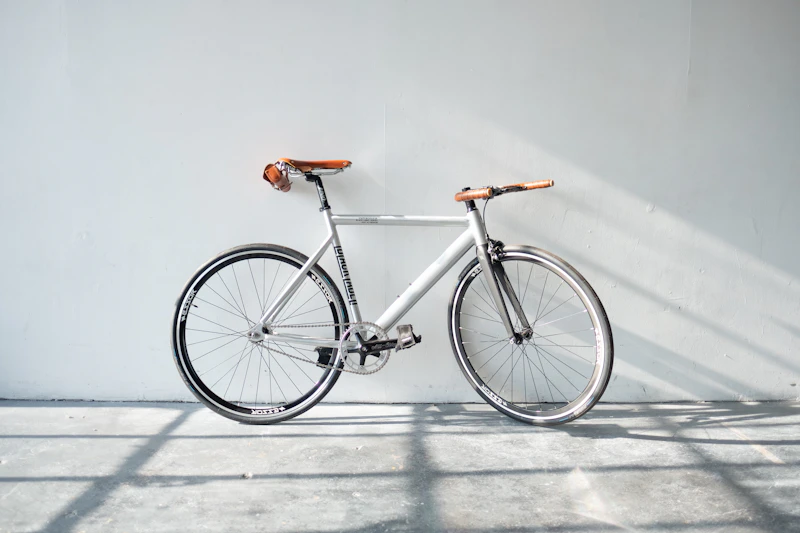
- Mostly city streets, under 15 km each way — an urban or city bike. Upright position, mudguards, rack mounts, tyres wide enough for a pothole you didn't see.
- Weekend tarmac, 40 km and up — a road bike. Drop bars give you three hand positions, which matters far more at hour three than at minute ten.
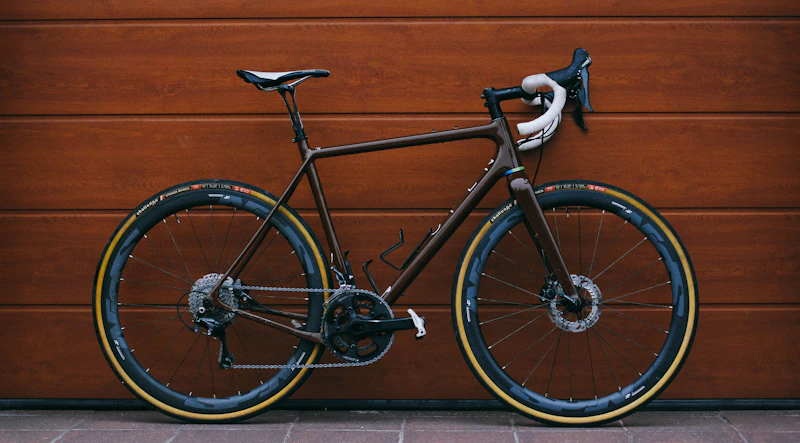
- Mixed tarmac and unpaved backroads — gravel. The most forgiving category in Indonesia, where a good road can turn into a bad one without warning.
- Trails, singletrack, actual dirt — MTB. Suspension and wide tyres are not optional here; they are the whole point.
If two categories both seem plausible, pick the more forgiving one. A gravel bike ridden on tarmac is slightly slow. A road bike ridden on gravel is a repair bill.

2. Size beats specification, every time
A size-M frame with entry-level components will always be a better bike for a 168 cm rider than a size-L frame with a groupset two tiers up. Fit determines whether you can breathe properly, brake confidently and ride for two hours without your hands going numb.
Use height as a starting point, then get on the bike:
- Standover — you should be able to stand flat-footed over the top tube with a few centimetres of clearance.
- Reach — a slight bend in the elbows with hands on the bars. Locked-out arms mean the frame is too long.
- Saddle height — a small bend in the knee at the bottom of the pedal stroke, roughly 25–30 degrees.
Every Element dealer offers a free twenty-minute fit session, and it is worth the trip even if you plan to buy online later. Find your nearest dealer.
3. Set the budget as a total, not a bike price
The bike is roughly 80% of what you will spend in month one. Budget the rest deliberately rather than discovering it at the till:
- Helmet — non-negotiable, and the one item worth buying new
- Floor pump with a gauge — tyre pressure is the cheapest performance upgrade there is
- Lights, front and rear — legally sensible, practically essential
- Multi-tool, spare tube, tyre levers, mini pump
- Lock, sized to how long you leave the bike unattended
A useful split: if you have Rp 5.000.000 in total, spend around Rp 4.000.000 on the bike and Rp 1.000.000 on the rest. A Rp 5.000.000 bike with no pump and no lights is a worse setup than a Rp 4.000.000 one that's fully equipped.
4. Check what your local shop can service
This is the question almost nobody asks and it separates a bike you keep from a bike you abandon. Before buying, ask the nearest shop two things: do you stock parts for this model, and can you service this brake and drivetrain system?
An exotic groupset sourced from overseas is fine until you need a rear derailleur hanger on a Sunday. Parts availability is a feature.
A quick reality check on components
For a first bike, the component decisions that genuinely matter are narrower than the marketing suggests:
- Brakes — hydraulic disc if the budget allows, especially in wet season. Mechanical disc is acceptable. Rim brakes are fine for dry-weather road riding only.
- Gearing range — more important than the number of gears. Ask about the easiest gear, not the total count.
- Wheels and tyres — the upgrade you'll feel most, and the one most often left standard.
- Everything else — genuinely secondary at this stage.
5. Test ride properly
Ten minutes in a car park tells you almost nothing. Ask for twenty minutes on real road, including a hill and a rough patch. Pay attention to three things: whether you can reach the brake levers comfortably, whether the saddle is tolerable after fifteen minutes, and whether you feel like you're steering the bike or wrestling it.
If a shop won't let you ride the bike outside, that tells you something about the shop.
The short version
- Pick the category from the surface you ride, not the look you like
- Get the size right before comparing specs
- Budget the bike at 80% of total spend
- Confirm your local shop can service it
- Test ride for twenty real minutes
Do those five things and the bike you end up with will almost certainly be the right one — regardless of price.